


High Conflict Does Not Mean Hopeless: How Couples Learn to Stay Connected Through Difficult Conversations
High conflict does not mean your relationship is doomed. It does not mean you chose the wrong partner or that love is gone. More often, it means two people care deeply, but lack the tools needed to navigate emotional intensity in a way that feels safe, productive, and connecting.

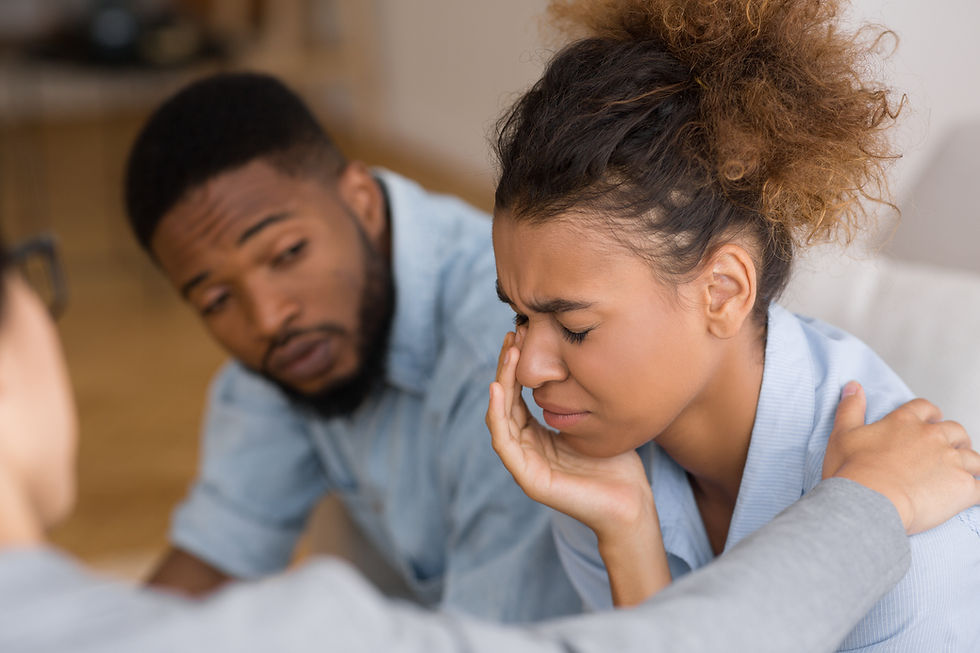
Conflict is a natural part of every relationship. Differences in personality, upbringing, values, and stress responses will inevitably surface. In healthy relationships, conflict can be uncomfortable but manageable. In high conflict relationships, those same disagreements feel overwhelming. Conversations escalate quickly. Emotions flood the room. One or both partners may shut down, become defensive, or feel emotionally attacked. Over time, even small issues start to feel heavy.
Many couples begin to believe the problem is conflict itself. They try to avoid difficult topics, walk on eggshells, or emotionally withdraw in order to keep the peace. Unfortunately, avoidance often creates more distance. Unspoken resentment builds. Misunderstandings multiply. Partners begin to feel alone even while in the same relationship.
The truth is, the goal of couples therapy is not to eliminate conflict. Conflict is not the enemy. The real work is helping couples feel confident that when conflict arises, they can work through it together. When couples are equipped with conflict management and conflict resolution skills, disagreement no longer feels like a threat to the relationship.
High conflict couples therapy focuses on helping partners slow things down. It creates space to understand what is actually happening beneath the arguments. Often, what looks like anger or criticism is really fear, hurt, or a longing to feel valued and understood. When couples learn how to recognize emotional triggers, regulate their responses, and communicate with clarity, conflict begins to shift.
Even when couples are unable to agree on every issue, they can still experience a sense of resolution. Resolution does not always mean agreement. It means feeling heard. It means knowing your partner understands your perspective, even if they see things differently. It means presenting a united front instead of pulling away from one another.
Working through conflict can actually deepen intimacy. When couples stop running in separate directions and begin turning toward each other during moments of tension, something important changes. Instead of feeling isolated in their emotions, partners feel met. Instead of bracing for the next argument, they develop trust in their ability to repair and reconnect.
This is where high conflict couples therapy becomes powerful. Therapy is not about assigning blame or deciding who is right. It is about helping couples learn how to stay emotionally present when things get hard. It is about creating safety so both partners can express themselves without fear of escalation or shutdown. Over time, couples build confidence in their relationship, not because conflict disappears, but because they know they can handle it together.
High conflict does not mean hopeless. It often means there is a strong emotional bond underneath the distress that needs guidance, structure, and support to heal. With the right approach, conflict can become a place of growth rather than disconnection.
Searching for a High Conflict Couples Therapist? Bell Family Therapy works with couples across the Dallas Fort Worth Metroplex and virtually all across Texas, including Austin, Houston, San Antonio, and beyond.
About Couples Therapist, Sileta Bell

Sileta Bell is a couples therapist and student researcher in interpersonal conflict at Nova Southeastern University, where she studies marital and post divorce conflict. Her work focuses on what helps relationships thrive, what leads to breakdown, and how couples repair after prolonged distress.
She is trained in the Gottman Method, advanced trained in Emotionally Focused Therapy, and practices under the supervision of Dr. Meghan Williams, LMFT-S.
Couples who work with Sileta experience a warm, directive approach that balances structure and compassion, helping them shift stuck patterns, strengthen communication, and rebuild connection and trust.

Comments