


Is It Too Late To Save Our Marriage?
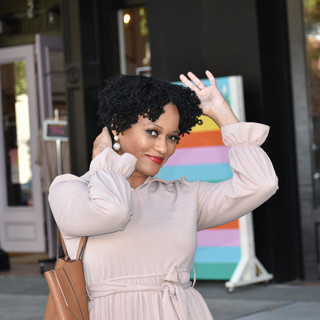
I’m sitting at my favorite coffee shop, thinking about the couples I’ve worked with over the years. Every story is different, every relationship its own world, yet the patterns begin to echo in familiar ways. The same cycles, the same points of rupture, the same quiet distance and disconnection that builds over time. And almost always, as they find themselves on the brink of divorce, there is one question that rises to the surface:
“Is it too late to save our marriage?”
I tell them this:
It is not about how far things have broken down. It is about whether both people are still willing to do the work to rebuild something new. Something intentional. Something that can actually last.
In my work as a couples therapist specializing in high conflict relationships, separation, and divorce, I have seen marriages at the brink come back. I have also seen relationships end. Not because they were too far gone, but because one or both partners were no longer willing or able to participate in the kind of change that healing requires.
An Integrative Approach to High Conflict Couples Therapy
My integrative approach to high conflict couples therapy is informed by Emotionally Focused Therapy, the Gottman Method, Solutions Focused Therapy, and Conflict Resolution theories. This allows us to explore the underlying emotional and attachment based drivers of conflict, while also working actively in the present to shift interaction patterns. We do not ignore what has happened, but we also do not stay stuck there. We work together to create new, more effective ways of relating to one another.
An Important Predictor of Divorce
One of the most important predictors I see in couples on the brink of divorce is a lack of willingness to actively contribute to emotional safety. Emotional safety is not established passively. It is built intentionally, through consistent actions. How we speak. How we respond. How we repair after conflict. This is where many couples get stuck.
Alongside this breakdown, there are often blind spots. These are patterns, defenses, and habits that each partner cannot easily see in themselves. These blind spots become barriers. They keep couples in aggressive unproductive cycles where each person feels justified, yet neither feels understood.
Remember, It Takes Two
And here is the hard resounding truth I remind every couple I work with. It takes two.
One person cannot carry the emotional weight of a marriage alone. You can try, but what that does is it keeps you in survival mode. And survival is not sustainable in a long term relationship.
The good news is this. If both partners are willing to slow down, take accountability, and learn new ways of engaging with one another, there is real potential for change. I have seen couples rebuild trust, reestablish connection, and create relationships that feel stronger than before.
But as I mentioned earlier, it requires intention. Beyond that, it calls for humility. This is a part of the daily work of Marriage.
Alright, Alright, I'll close out now...
Searching for a High Conflict Couples Near You?
If you are searching for a high conflict couples therapist near you in Texas, and wondering whether your relationship can be repaired, know this: The question is not simply, is it too late. The real question is, are we both willing to do what it takes to make this relationship safe again. Book a Consultation with Sileta Bell today.

About Sileta Bell
I am Sileta Bell, a practicing couples therapist and marital and interpersonal conflict researcher serving the Dallas Fort Worth Metroplex and clients virtually across Texas. I specialize in working with high conflict couples, individuals navigating separation or divorce, and families managing complex coparenting dynamics.
My approach to therapy is integrative and tailored to each couple. I am advanced trained in Emotionally Focused Therapy and draw from attachment science, the Gottman Method, Solutions Focused Therapy, and even grief informed work.
My focus is helping couples move out of reactive cycles and into more intentional, connected interactions. In addition to therapy, I facilitate divorce support groups for women and support clients through the emotional and practical challenges of relationship transitions. My work is grounded in helping people not only understand their patterns, but actively shift them so they can move forward with clarity, whether that means rebuilding the relationship or redefining it.


Comments